Bonded storage
Duty deferred until removal. Goods remain under customs control and every movement is recorded.
Storage, inventory handling and dispatch planned as part of the supply chain, whether you need a short buffer or an ongoing distribution arrangement.
 Warehousing
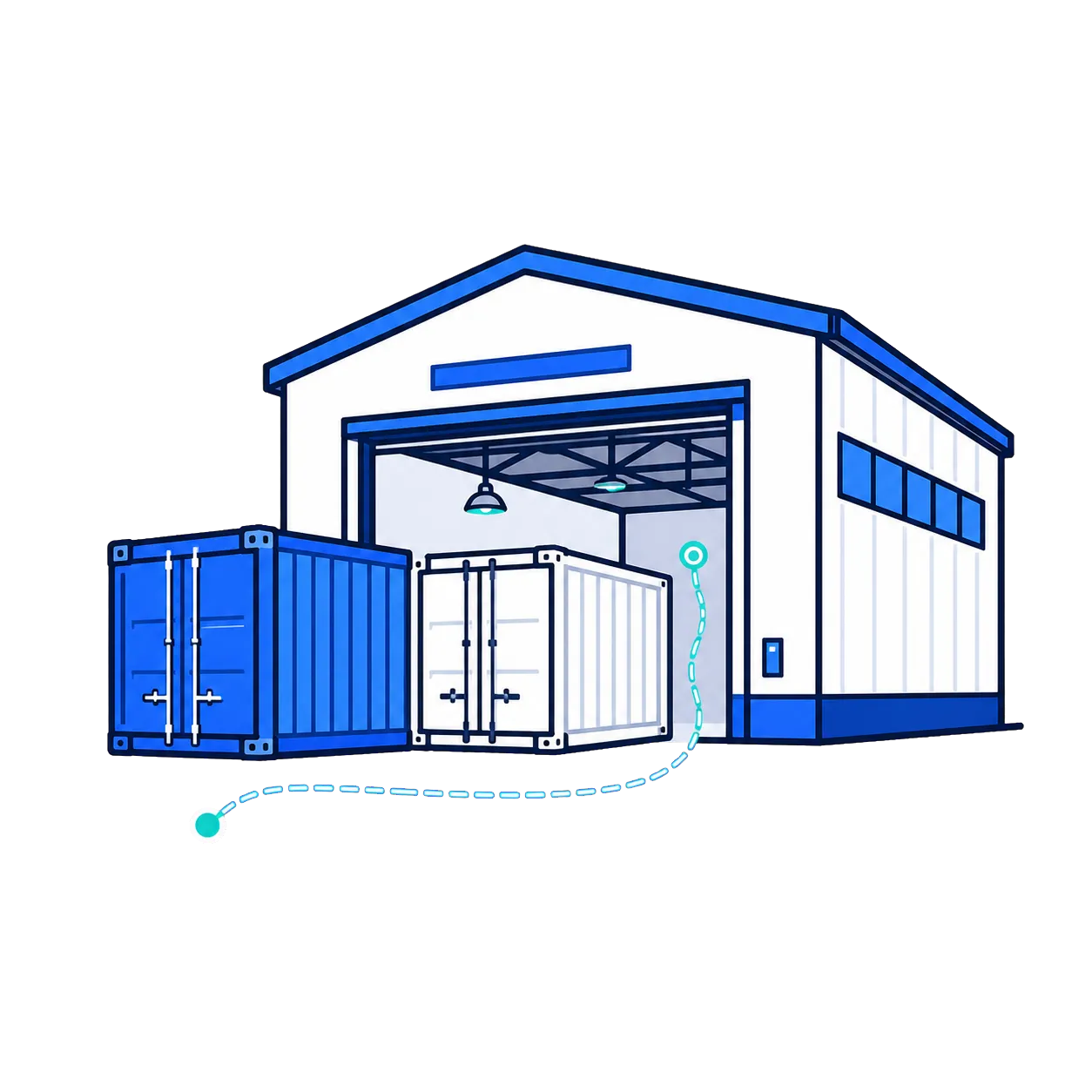
Cargo rarely goes straight from vessel to shelf. We arrange storage between legs, and handle the preparation work that needs doing before goods go out to your customers.
Bonded storage is worth understanding properly: it lets you defer duty until the goods actually leave the warehouse, which matters when you are importing a full container but selling it over months.
The difference between the two storage types is mostly about when you pay duty.
| Type | When duty is paid | Suited to |
|---|---|---|
| Bonded warehouse | When goods are removed from the warehouse | Large imports sold gradually; cash-flow sensitive stock |
| General warehouse | At import clearance, before storage | Goods moving out quickly |
| Cross-dock | At import clearance | Cargo changing vehicles without being stored |
Bonded storage does not remove duty, it moves when you pay it. For a container you will sell over six months, that timing difference can be worth more than the storage costs.
Bonded goods stay under customs control, so movements in and out are documented rather than informal.
Duty deferred until removal. Goods remain under customs control and every movement is recorded.
Racked, counted in and out, with stock figures that match what is actually on the floor.
For cargo that only needs to change vehicles. It arrives, it is re-loaded, it leaves.
Labelling and relabelling, kitting, re-packing, and a quality look-over before dispatch.
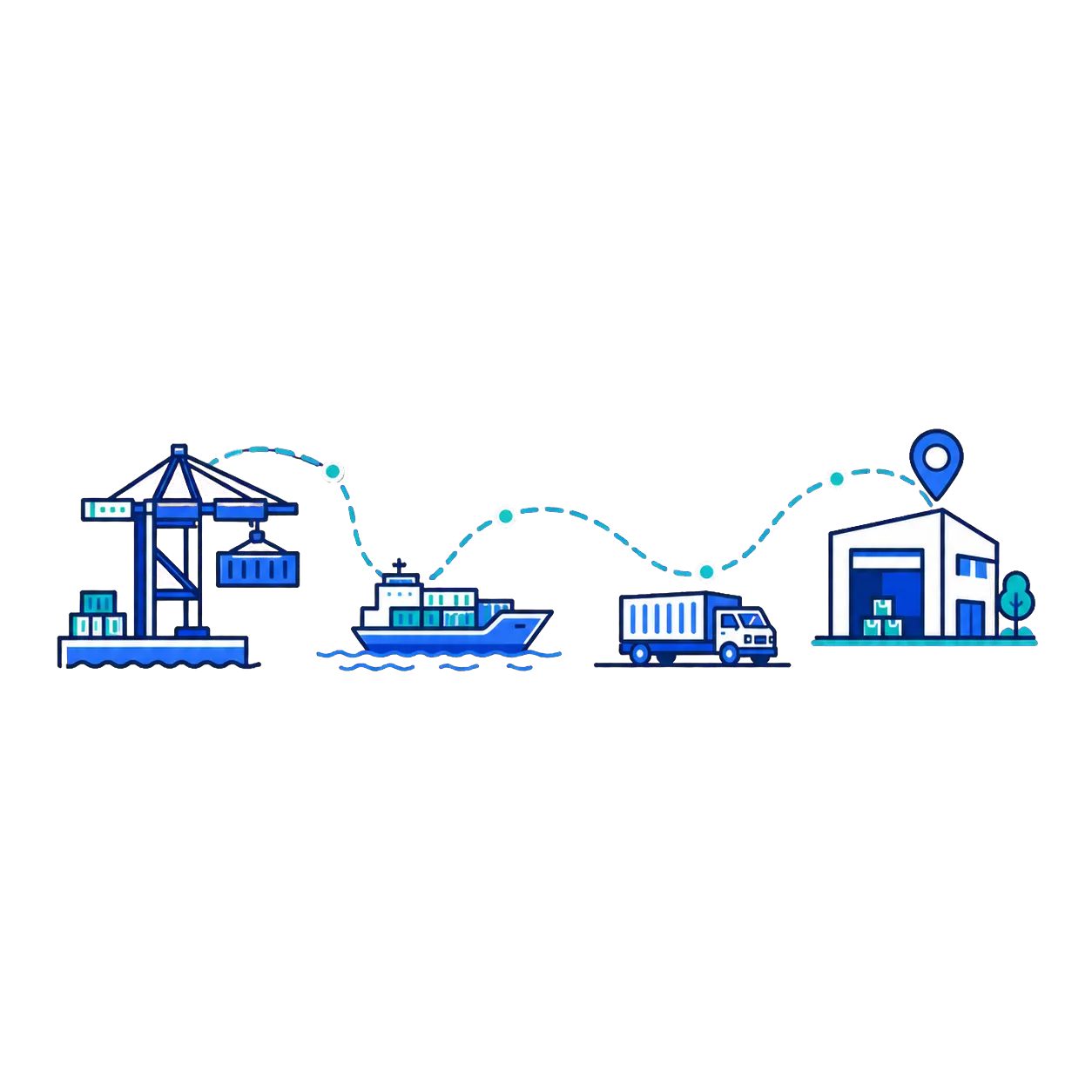
Where storage usually sits in the journey.
Which of these makes sense depends on where the duty timing and the handling cost land for your particular cargo. We will work it through with you rather than defaulting to one.
Cargo received, counted and checked against the packing list.
Stored and recorded, bonded or general as agreed.
Stock visible to you, with movements documented.
Labelling, kitting or repacking as required before release.
Released against your instruction, with duty settled first for bonded goods.
It depends on how fast you sell. If a container clears and sells within weeks, probably not. If it sells across months, deferring the duty usually outweighs the additional handling.
There is a permitted period, and it can be extended in defined circumstances. We track it, because goods left beyond it become a problem rather than a cost.
Yes. Labelling, relabelling, kitting, repacking and basic quality checks are all handled before dispatch.