Container haulage
Between the port or ICD and your premises. Free days and detention are tracked so the container goes back before charges start.
Road and rail options planned around vessel, customs, factory and delivery timings—because the inland leg should support the shipment, not delay it.
 Road & Rail
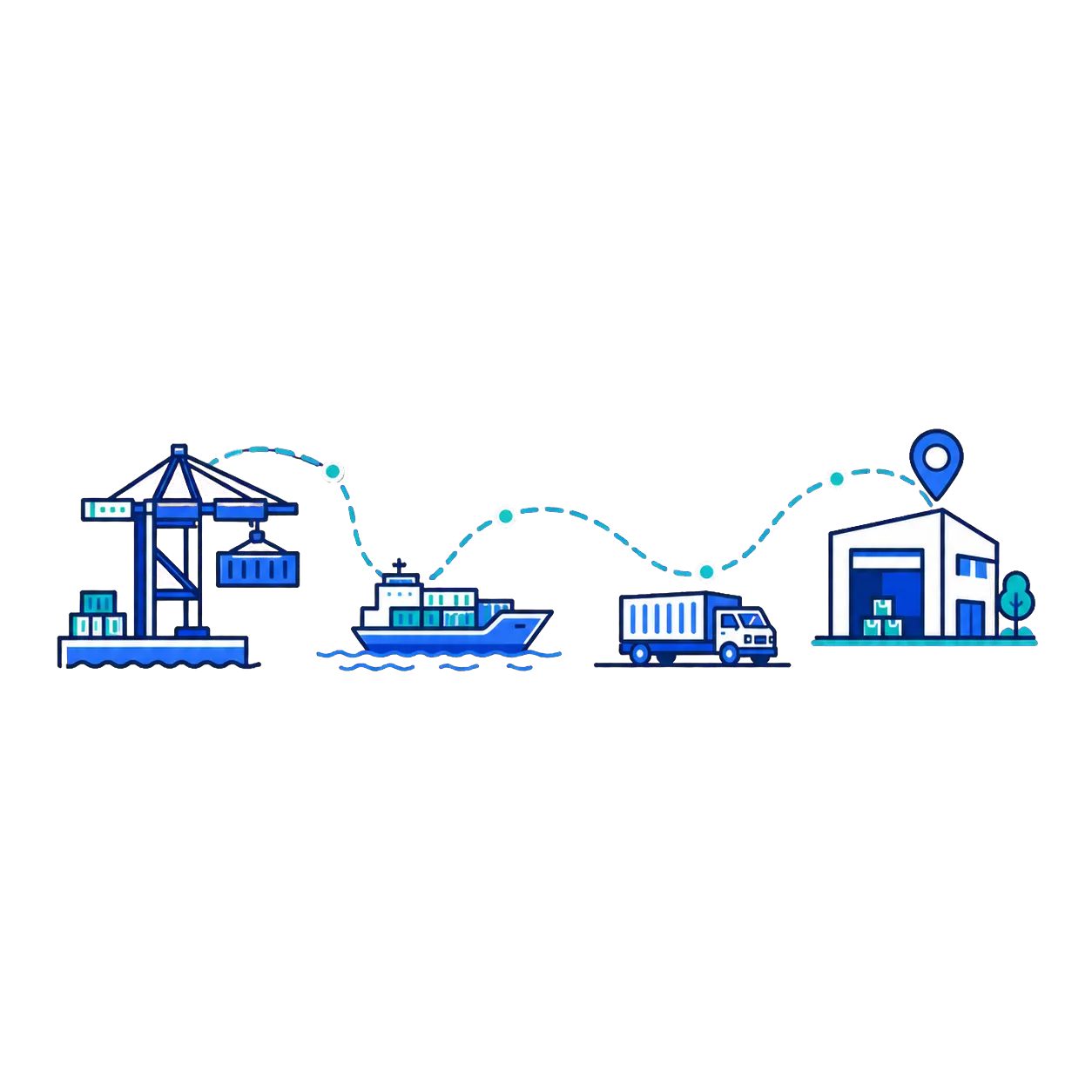
Most cargo we handle spends days on a trailer or a rake before it reaches a vessel, or after it leaves one. We plan that leg alongside the sea or air leg so the timings actually connect.
Punjab exporters and importers sit roughly 1,500 km from the western ports. That distance is where schedules quietly come apart if nobody is watching it.
What we put your cargo on, and what each option is suited to.
| Mode | Typical use | Notes |
|---|---|---|
| Container trailer | Port to factory, factory to port | Standard for FCL movement |
| Full truck load (FTL) | Domestic movement, full vehicle | Fastest road option, priced per vehicle |
| Part load (PTL) | Smaller domestic consignments | Shared vehicle, priced on weight and volume |
| Rail rake to ICD | Bulk container movement inland | Steadier than road when highways are congested |
| Low bed / hydraulic axle | Over-dimensional and heavy lift | Requires route survey and permits |
Road weight limits often bind before container payload limits do, so the legal load on the trailer can be less than the plate on the box allows.
Rail is usually cheaper per container over long distances and less exposed to highway disruption, at the cost of less flexible timing.
Between the port or ICD and your premises. Free days and detention are tracked so the container goes back before charges start.
Full and part loads across India, in open or closed vehicles depending on the cargo.
Rakes to and from the inland depots. Slower on paper than road, and frequently steadier in practice.
Route survey first, then low beds or hydraulic axles, state permits, escorts and cranes at both ends. This kind of move gets planned properly, which is what keeps it safe and on schedule.
The inland corridors we run most.
Rail transit to the western ports runs longer than road but is less affected by highway conditions and driver availability. On a planned import we will usually recommend it; on a recovery move, road.
Vehicle type and route agreed. For ODC, a survey first.
Vehicle placed at the loading point at the agreed time.
Cargo loaded and secured, e-way bill generated.
Movement tracked, with delays flagged as they happen rather than on arrival.
Cargo delivered, proof of delivery returned, empty container returned within free days.
Demurrage is charged while your container sits inside the port beyond the free period. Detention is charged while you hold the container outside the port beyond the free period. Different clocks, different rates, both avoidable with planning.
Rail is generally cheaper and steadier over the long haul to the western ports. Road is faster and more flexible. On a planned import we lean rail; when a deadline is at risk, road.
Yes, with a route survey first. Permits, escorts and lifting equipment are arranged around what the survey finds, and the timeline reflects that rather than assuming a clear run.